 English
 Français
 Deutsch
 Español
 Italiano
 Русский
 Português
 العربية
 Türkçe
 Magyar
 Svenska
 Nederlands
 Ελληνικά
 Български
 Polski
 Gaeilge
 Dansk
Dansk Lietuvių kalba
 Suomi
Suomi Hrvatski
 Română
 Latviešu valoda
 Korean
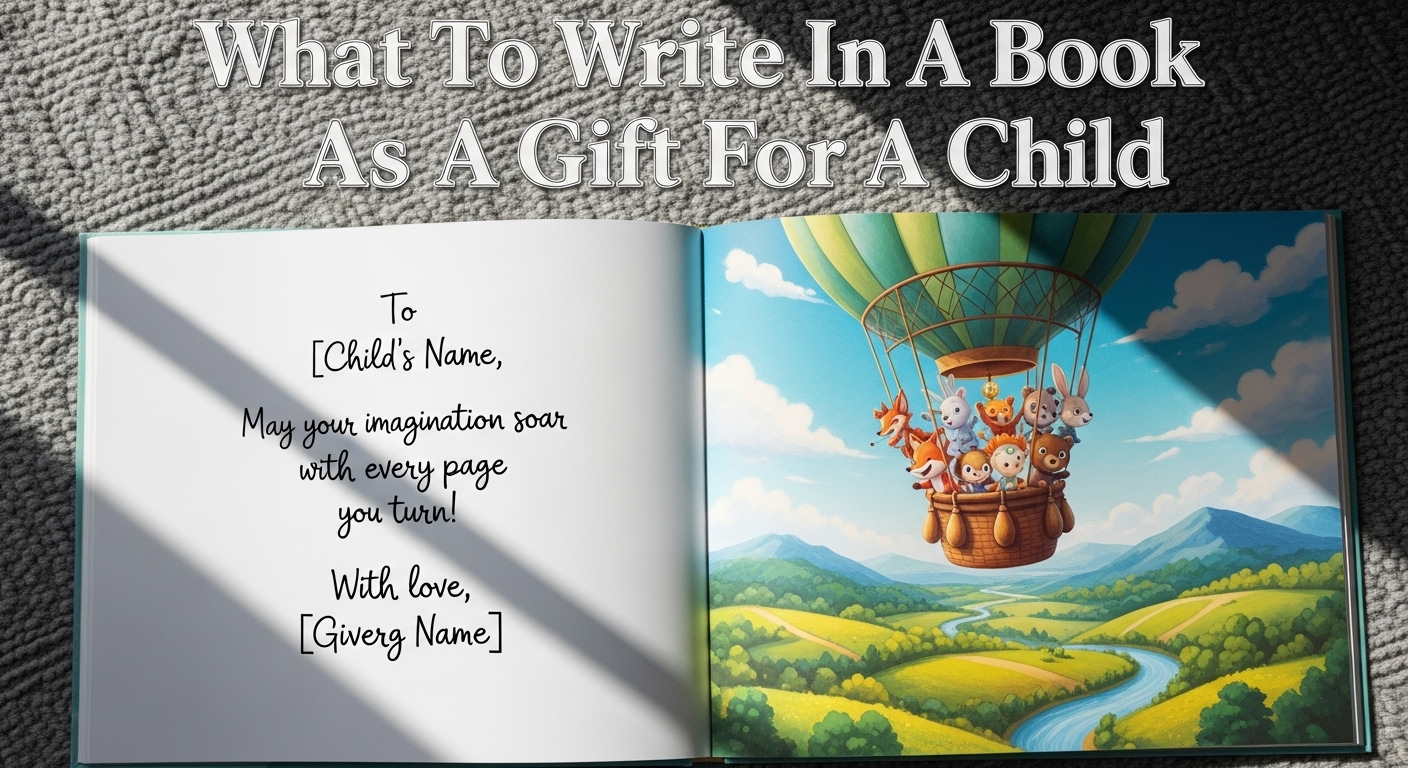
Books make unforgettable gifts—especially for children. They open doors to magical worlds, spark imagination, and instill values that last a lifetime. But what makes a gifted book even more special? A heartfelt, personalized message written inside. The right words can turn a simple book into a cherished keepsake a child revisits over and over again.
If you’re wondering what to write in a book as a gift for a child, you’re not alone. Whether you’re a parent, grandparent, teacher, or family friend, this guide will help you craft the perfect note that captures your love, encouragement, and wishes for the child’s future.
1. Understanding the Child’s Age and Interests
Before putting pen to paper, take a moment to reflect on the child’s age and interests. A toddler is at a completely different stage of understanding than a teenager, and your message should match their developmental level and personality.
For younger children (ages 2–6), keep your message light, fun, and easy to understand. You could write something whimsical like:
“Dear Emily, may this story fill your dreams with dragons and rainbows! Love, Auntie Mia.”
For school-age children (ages 7–12), you might include something that encourages their curiosity or aligns with a subject they enjoy:
“To Jack, the bravest space explorer I know—may your journeys never end. From Grandpa.”
Teens (13+) often appreciate deeper meaning. A motivational quote or message that connects with where they are in life—school, hobbies, identity—is a thoughtful touch:
“To Lily, who’s already writing her own story—never stop being you. Proud of you always, Mom.”
Understanding their world helps you write something that truly resonates—one they’ll remember long after they’ve outgrown the book.
2. Writing a Message That Builds Connection
The most memorable messages come from a place of genuine connection. Think about the special bond you share with the child. Have you had a unique experience together? Do you share a favorite game, inside joke, or bedtime tradition?
Personal touches make your message feel intimate and loving. Mentioning something meaningful to both of you gives the message emotional depth. For example:
“Remember when we built that blanket fort and read stories by flashlight? I hope this book brings you the same joy.”
Using “I” and “you” language helps create a sense of closeness:
“I picked this book just for you because I know how much you love animals. I hope it brings you as much joy as you bring to my life.”
Avoid making the message overly formal or generic. Children respond best to warmth, authenticity, and simplicity. Write as if you’re speaking directly to them—your voice matters more than your writing skills.
Whether you’re writing a few lines or a short paragraph, keep your tone loving, supportive, and true to your relationship with the child.
3. Ideas for What to Write: Examples by Relationship
The words you choose should reflect your relationship with the child. Below are some tailored examples for inspiration:
From Parents:
As a parent, your message may be filled with love, dreams, and life lessons.
“Dear Noah, this book is a tiny piece of the love I feel for you. May its pages guide you, inspire you, and remind you how truly special you are.”
Or something playful:
“To our little superhero—read, imagine, and soar! We love you to the moon and back.”
From Grandparents:
Grandparents often carry wisdom and warmth in their words.
“Dearest Emma, I read books like this when I was your age. I hope it brings you the same laughter and wonder it brought me.”
“To my sunshine—may this book always remind you how bright you shine.”
From Siblings:
Sibling messages can be humorous, sweet, or even slightly mischievous:
“To my little bro, here’s a book that’s ALMOST as cool as me. You’re gonna love it. (You better!)”
“Hey sis, read this and think of me when you laugh out loud.”
From Teachers or Mentors:
For educators or coaches, words of encouragement go a long way.
“To a brilliant young reader—keep learning, keep dreaming, and always believe in your voice. You have so much to offer.”
“You are capable of great things. Let this book be a stepping stone.”
Use your unique connection as the guide. A personal memory or shared dream can elevate even a short message into something meaningful.
What to Write in Baby Book for Baby Shower
A baby shower is the perfect occasion to start a child’s first library. When deciding what to write in a baby book for a baby shower, focus on the journey ahead. Since the baby can’t read yet, your message serves as a beautiful keepsake for the parents to read aloud and for the child to cherish in later years. Consider sentiments like, “May your life be as full of wonder as the stories in this book,” or “We can’t wait to meet you and hear you read these words yourself.” Including a wish for sweet dreams or lifelong curiosity adds a touch of magic to this foundational gift.
4. Making It Fun and Imaginative
Children love a bit of magic, mystery, and creativity—so why not add a dash of fun to your message?
Try playful elements like:
- A rhyme or short poem
“Once upon a page you’ll see,
A world of wonder waits for thee!”
- A mini-story intro
“This book holds a secret map. Find the treasure hidden within!”
- A challenge
“Can you find the 3 flying monkeys in this book? They’re hiding!”
You can also include the child’s name in a creative way:
“To Ava the Amazing Adventurer—may your journey through these pages be unforgettable.”
Add references to things they love—like dinosaurs, ballerinas, astronauts, or pirates. Making the note part of the book’s world keeps the child intrigued and emotionally connected.
Even if it’s just one or two sentences, a little creative flair makes your message stand out and encourages the child to reread it again and again.
5. Dos and Don’ts of Writing in a Gift Book for a Child
Here are some best practices to keep in mind when writing your message:
✅ Dos:
- Be encouraging and positive: Focus on joy, love, and curiosity.
- Include the date: Helps preserve the memory for years to come.
- Make it personal: Use names, shared moments, or specific interests.
- Write legibly: Consider printing or using your neatest cursive.
❌ Don’ts:
- Avoid pressure: Don’t include messages like “Finish this book or else!”
- Don’t compare: Avoid saying things like “Your cousin read this at your age.”
- Steer clear of heavy topics: Keep the message uplifting and age-appropriate.
- Skip sarcasm (unless it’s very gentle and the child will understand it)
A heartfelt message that lifts the child’s spirit or sparks joy will always be remembered—long after the book is finished.
6. When and How to Present the Book
The moment of giving the book is just as important as the message inside.
Birthdays, holidays, or graduation ceremonies are perfect opportunities to present the book gift. You can also give it as a “just because” surprise—sometimes those are the most memorable.
Here are a few thoughtful ways to elevate the presentation:
- Wrap the book with a ribbon and include a bookmark with a quote
- Add a handwritten tag or attach a small toy that relates to the book
- Present it during quiet reading time to create a bonding moment
If you’re mailing the book, consider writing the message on the title page and adding a short note or sticker inside the envelope. Small touches create big emotional impact.
Conclusion
When you write in a book as a gift for a child, you’re not just giving them a story—you’re giving them a piece of your heart. The right words can empower, comfort, or ignite their imagination. Years from now, that short note you scribbled could mean more to them than you ever imagined.
So take a deep breath, think of the child, and write from a place of love. You don’t need to be a poet—just be real. That’s the kind of message a child never forgets.
FAQs: What To Write In A Book As A Gift For A Child
- Where should I write the message in the book?
The best place is the inside front cover or title page. It keeps your message visible without distracting from the story itself.
- How long should the message be?
One to four sentences is usually enough. Keep it short, sincere, and age-appropriate.
- Can I include a quote or poem?
Absolutely! Quotes or short rhymes can add inspiration or charm. Just ensure they align with the child’s age and the book’s theme.
- Should I date the message?
Yes. Including the date (or at least the year) helps the child look back and remember when the book was gifted.
- Is it okay to write in a collectible or expensive book?
If the book is meant to be a keepsake or reading copy, yes. But if it’s a first edition or collector’s item, consider attaching a separate card instead.


