 English
 Français
 Deutsch
 Español
 Italiano
 Русский
 Português
 العربية
 Türkçe
 Magyar
 Svenska
 Nederlands
 Ελληνικά
 Български
 Polski
 Gaeilge
 Dansk
Dansk Lietuvių kalba
 Suomi
Suomi Hrvatski
 Română
 Latviešu valoda
 Korean
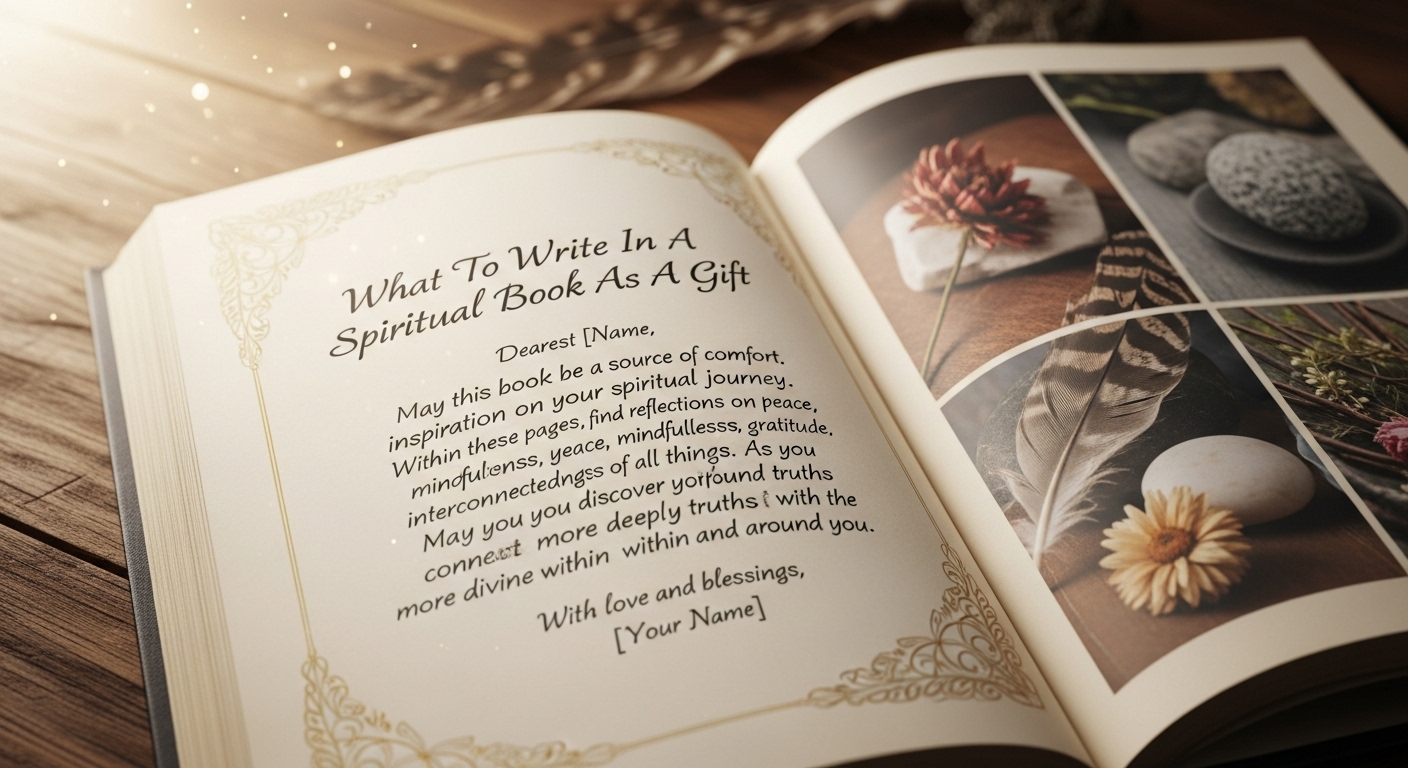
Gifting a spiritual book is more than just sharing words—it’s about offering comfort, wisdom, and a sense of connection. Whether you’re giving a devotional, mindfulness guide, or a sacred text, a heartfelt inscription inside can make the gift deeply personal and memorable. Your words can inspire reflection, healing, or joy, depending on the recipient’s journey.
So, what do you write in a spiritual book to make it meaningful and lasting? This guide will help you craft a message that feels authentic, respectful, and spiritually encouraging—no matter the occasion.
1. Understanding the Purpose of Your Spiritual Gift
Before writing anything, take a moment to reflect: Why are you giving this book? Spiritual books are often gifted to celebrate milestones, offer comfort during hard times, or simply encourage personal growth. Your message should align with that purpose.
For example:
- For a new graduate, your words might focus on guidance and strength for the journey ahead.
- For someone grieving, you might offer peace and spiritual comfort.
- For a friend starting a faith journey, your note might focus on exploration and openness.
Understanding the recipient’s current path will guide your tone and content.
2. Key Elements to Include in Your Message
Crafting a meaningful message doesn’t require fancy words. Keep it sincere and grounded in these key elements:
· Personalization
Mention the recipient’s name or nickname. Use terms that reflect your relationship—like dear sister, beloved friend, or my student in spirit. These small touches create an emotional connection.
· Intentions or Blessings
Offer a gentle wish, hope, or prayer. Even a simple “May this book bring you peace and clarity” carries emotional weight.
· A Spiritual Quote (Optional)
If you’re familiar with a quote, verse, or teaching that fits, add it briefly. Ensure it aligns with the recipient’s beliefs and the book’s message.
· Humility and Warmth
Keep your tone open-hearted. Avoid preaching or advising unless the relationship invites it.
3. How to Write Your Message: Tone, Style, and Step-by-Step Guidance
Crafting a meaningful message in a spiritual book isn’t about writing grand sentences—it’s about aligning your intention, tone, and wording thoughtfully. These steps will guide you to write a message that is personal, respectful, and spiritually resonant.
Step 1: Reflect on Your Relationship and Intention
Before writing, pause and reflect. Ask yourself:
- Why am I giving this book? Is it for encouragement, healing, celebration, or wisdom?
- What does my relationship with this person bring to the message? For instance, are you a mentor, friend, family member, or spiritual guide?
Your answers shape the message’s tone. A congratulatory note to a new graduate differs from a comforting message for someone grieving. Aligning your intention with your relationship ensures your message feels authentic.
Step 2: Choose the Right Tone
Tone is the spirit behind your words—it can range from warm and conversational to reverent and peaceful. Ghostwriting LLC’s resource on different types of tone in writing offers insight into how tone influences emotional connection. For a spiritual gift:
- Use a gentle, uplifting tone for a prayer or mindfulness book.
- Opt for respectful warmth if you’re writing to a spiritual mentor or elder.
- Keep it simple and compassionate when writing to someone experiencing challenge.
Consistency matters. If you’re warm and close, avoid abrupt formality. If the recipient is older or more reserved, steer away from overly casual phrases.
Step 3: Personalize with Awareness
Personalization makes your message unique. Mention:
- The recipient’s name or spiritual title: e.g., “Dear Sister Mira” or “Beloved Friend, Anil.”
- A personal reflection or memory that illustrates why this message matters now.
- A phrase or detail that honors their spiritual path—e.g., “I’ve watched your strength in silence inspire others.”
Even a subtle reference to their journey shows you’re intentional, not generic.
Step 4: Write a Meaningful Wish or Blessing
This is your core message: something you hope for their spiritual life. Whether based on wisdom, encouragement, or a quiet aspiration, keep it heartfelt:
- “May you find peace in every moment and purpose in every breath.”
- “Wishing light and clarity on your path, always.”
- “May this book remind you of your strength in moments of doubt.”
Tailor the message to the book’s theme. For instance, if gifting a mindfulness guide: “May each chapter guide your heart toward stillness.”
Step 5: Optionally Include a Quote or Scripture
Adding a brief quote or scripture can deepen meaning, as long as it aligns with the recipient’s beliefs and the book’s content. Use sparingly—one or two lines at most:
- “Be still and know…” – Psalm 46:10
- “Within you is the light of a thousand suns.” – ancient proverb
Only include material you’re confident is respectful and appropriate to their faith or worldview.
Step 6: Keep It Concise—but Full of Heart
Limit your message to 2–4 heartfelt sentences. Conciseness respects the gift’s purpose and avoids overwhelming the reader. Clear, sincere language resonates more deeply than flowery prose.
Example:
“May this book bring you peace in moments of doubt and clarity in quiet reflection. I hope it guides your heart toward joy and gentleness. With love always, – Aisha.”
This format offers clarity and emotional impact without unnecessary length.
Step 7: Sign Off with Unity and Warmth
End your note in a way that reinforces your connection. Options include:
- “With love and light, [Your Name]”
- “Blessings always, [Name]”
- “Namaste, Sister Indira”
If you usually use a personal title or spiritual name, include it—small choices like these reinforce intimacy and spiritual identity.
Additional Tips for Writing Your Spiritual Message
- Use your own voice: You don’t need to mimic poetic or religious style—just write how you would speak the message sincerely.
- Avoid spiritual jargon unless it’s familiar and meaningful to the recipient.
- Respect differences: If you come from a different tradition, focus on universal values like light, peace, love.
- Use legible handwriting if writing by hand, or choose a readable font if printing.
- Date your message, if meaningful: Helps anchor the memory in time—e.g., “June 2025, at our retreat.”
Final Thoughts: The Lasting Impact of Your Message
A spiritual book becomes more than a reading experience when it carries your voice inside. Years from now, your handwritten message could be what they remember most—bringing comfort, connection, and reflection during key moments in their life.
So take a deep breath, trust your intention, and let your heart guide your pen.
FAQs
Q1: What if I’m unsure of the recipient’s spiritual beliefs?
Stick to universal themes like peace, hope, love, or light. These are safe and meaningful across spiritual traditions.
Q2: Can I include quotes from other religions or texts?
Only if you know the recipient would be open to it. When in doubt, go with a general message that focuses on shared values.
Q3: How long should my message be?
Aim for 2–4 heartfelt sentences. The key is sincerity, not length.
Q4: Should I write it by hand or print it?
Handwritten notes feel more personal, but printed is fine if your handwriting is difficult to read.
Q5: Is it okay to include a prayer or blessing?
Yes, if it feels authentic and is appropriate for the recipient. Always be respectful of their comfort and beliefs.


