 English
 Français
 Deutsch
 Español
 Italiano
 Русский
 Português
 العربية
 Türkçe
 Magyar
 Svenska
 Nederlands
 Ελληνικά
 Български
 Polski
 Gaeilge
 Dansk
Dansk Lietuvių kalba
 Suomi
Suomi Hrvatski
 Română
 Latviešu valoda
 Korean
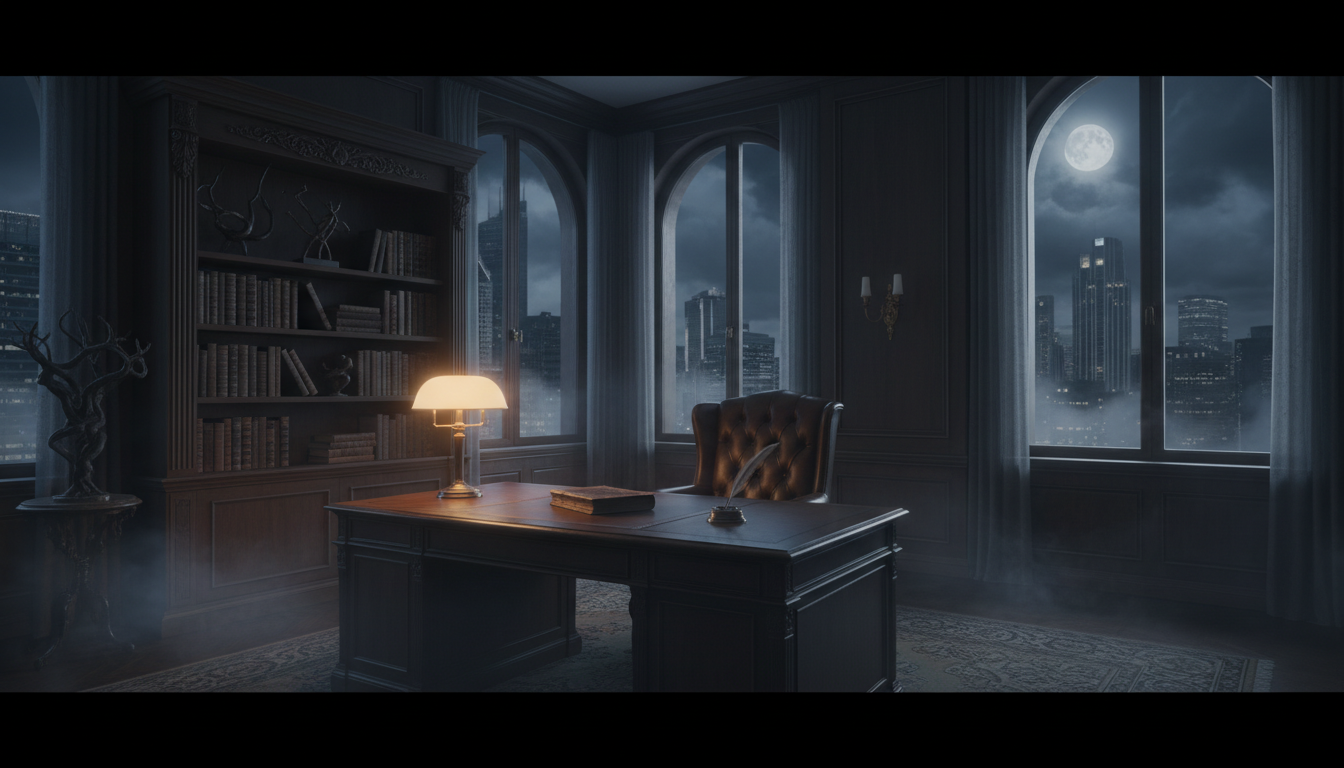
Fear is one of the most primal emotions, yet triggering it through the written word is a sophisticated artistic challenge. Unlike cinema, which relies on sudden decibel spikes and jarring visuals, literature must seduce the reader’s imagination into terrifying itself. When an author asks how to write a scary scene in a book, they are asking how to bypass logic and speak directly to the reader’s survival instincts. To succeed, you must master the delicate balance of pacing, atmosphere, and the unknown.
A truly terrifying scene lingers long after the book is closed. It makes the reader check the locks twice or hesitate before turning off the bedside lamp. This guide provides a strategic, semantic approach to crafting horror and suspense, moving beyond simple tropes to explore the mechanics of dread. Whether you are writing a psychological thriller, a gothic horror, or a dark fantasy, the architecture of fear remains consistent.
The Evaluation Framework for Horror Narrative
Before writing a single word of your scary scene, it is vital to understand the structural pillars that support fear. At Ghostwriting LLC, we utilize a specific diagnostic approach to evaluate the potential impact of a scary scene. We call this the “Dread Hierarchy.” When planning your scene, evaluate it against these four criteria to ensure maximum efficacy.
1. Sensory Isolation
Does the scene limit the character’s sensory input? Fear thrives in ambiguity. If a character can see everything clearly, the threat becomes manageable. You must evaluate whether you have effectively restricted sight, sound, or mobility to increase vulnerability.
2. The Stakes of Sanity
Are the consequences merely physical, or are they psychological? While the threat of death is scary, the threat of madness or the violation of reality is often more terrifying. Evaluate if your scene challenges the character’s understanding of the world.
3. Narrative Pacing
Does the rhythm of the prose match the heart rate of the character? A scary scene fails if the sentences are too long and meandering during a moment of crisis. We evaluate the syntax to ensure it mimics the physiological response to fear.
4. The Uncanny Valley
Is the threat familiar enough to be recognizable, but wrong enough to be repulsive? This concept, often applied to robotics, applies perfectly to literature. The most effective monsters are distortions of the natural world rather than complete aliens. Evaluate your antagonist or threat for its “wrongness.”
Establishing Atmospheric Tension
Learning how to write a scary scene in a book begins with the environment. The setting is not merely a backdrop; it is an active participant in the terror. A sunny meadow can be terrifying if the birds suddenly stop singing, while a dark castle can be comforting if it feels like a fortress. The key is dissonance and isolation.
Weaponizing the Setting
To create a truly scary atmosphere, you must turn the environment against the protagonist. This technique, known in literary circles as the “pathetic fallacy” (where the environment reflects the mood), should be twisted in horror writing. The environment should feel predatory.
Consider the difference between a description of a hallway and a scary description of a hallway. A standard description might list the color of the wallpaper and the length of the corridor. A horror-focused description focuses on the way the shadows seem to stretch toward the character, or how the silence feels heavy and pressurized, like the air before a storm. The house shouldn’t just be old; it should sound like it is breathing.
The Power of Sensory Deprivation
Humans rely heavily on sight. When you remove that sense, the imagination rushes to fill the void, often inventing things far worse than what is actually there. To heighten fear, force your characters into darkness, fog, or blinding rain. Once sight is removed, amplify the other senses.
- Sound: Describe the wet sound of footsteps, the scratching inside the walls, or a silence so profound it causes ringing in the ears.
- Smell: Olfactory descriptions trigger visceral reactions. The scent of ozone, rot, copper (blood), or damp earth can signal danger before it is seen.
- Touch: Focus on temperature drops, the feeling of cobwebs, or the sensation of being watched (the pilomotor reflex).
Pacing and Syntax: The Heartbeat of Fear
The structure of your sentences dictates the reader’s breathing pattern. When learning how to write a scary scene in a book, you must act as a conductor, controlling the tempo of the experience.
The Slow Burn (Building Dread)
In the moments leading up to the scare, use longer, more complex sentences. This slows the reader down, forcing them to dwell on the details. This is where you plant the seeds of unease. Describe the normalcy of the situation, but insert a single detail that feels “off.” This contrast creates cognitive dissonance.
For example, a character might be washing dishes (a mundane task). You describe the warm water, the smell of lemon soap, the clinking of china. Then, you mention the reflection in the window behind them did not move when they did. The long, lulling rhythm of the domestic scene makes the sudden anomaly pop.
The Staccato Climax (Panic)
As the threat reveals itself, the sentence structure must shatter. Use fragments. Short sentences. Punchy verbs. This mimics the chaotic thought process of a panic attack. The reader’s eye moves faster down the page, increasing their reading speed and, subconsciously, their anxiety.
Example of Pacing Shift:
“He walked down the long, winding corridor, listening to the house settle around him, convincing himself that the groans of the timber were nothing more than age and thermal expansion. (Slow)
Then he heard it. A breath. Right behind his ear. He froze. Turned. Nothing. Just air. (Fast)”
The Psychology of the Unknown
The greatest mistake novice writers make is showing the monster too early. This is often referred to as the “Jaws Effect.” In the film Jaws, the mechanical shark malfunctioned frequently, forcing the director to suggest the shark’s presence rather than showing it. This accidental constraint resulted in one of the most suspenseful movies in history. In literature, you have unlimited budget, but you should still hide the shark.
Show, Don’t Tell (The Horror Edition)
Telling a reader “it was a terrifying monster” is ineffective. It relies on the reader to define “terrifying,” and they might be lazy. Instead, show the effect of the monster. Describe the character’s physiological reaction: the bile rising in the throat, the freezing of the limbs, the sudden void in the stomach.
Furthermore, describe the monster through obscured details. Rather than describing a demon from head to toe, describe the sound of its wet breathing, or the way the light seems to be absorbed by its skin. Let the reader’s mind construct the rest of the image. The version in their head will always be tailored to their specific phobias.
The Uncanny Valley and Cognitive Dissonance
True horror often lies in things that are almost human but not quite. This triggers the “Uncanny Valley” response—a biological revulsion to things that mimic humanity imperfectly. This can be applied to behavior as well as appearance.
If a character returns home and their spouse is sitting at the table, smiling, that is normal. If the spouse is sitting at the table, smiling, but hasn’t blinked in four minutes and is holding a knife incorrectly, that is terrifying. It creates a glitch in the reader’s reality. When writing a scary scene, look for ways to twist the mundane into the macabre.
Comparison: Terror vs. Horror vs. Revulsion
To write an effective scary scene, you must understand the nuance between different types of fear. Stephen King famously distinguished between these three levels. Understanding where your scene fits will help you choose the right vocabulary and pacing.
Use the following table to determine which emotional lever you are trying to pull in your scene.
| Type of Fear | Definition | Narrative Goal | Best Technique |
|---|---|---|---|
| Terror | The anticipation of the frightening event. | To create high anxiety and suspense. | Atmosphere, shadows, false alarms, sensory deprivation. |
| Horror | The immediate reaction to the frightening event. | To shock and panic the reader. | Fast pacing, visceral descriptions, direct confrontation. |
| Revulsion | The reaction to the aftermath (the gross-out). | To disturb and unsettle. | Graphic details, focus on biological violation, rot/decay. |
| Dread | The lingering feeling that hope is lost. | To create psychological weight. | Foreshadowing, inevitability, philosophical stakes. |
Advanced Techniques: Breaking the Fourth Wall
While usually reserved for experimental fiction, subtle breaking of the fourth wall can enhance fear. This doesn’t mean the author speaks to the reader, but rather that the threat feels like it could extend beyond the book. This is achieved by tapping into universal fears—fear of the dark, fear of being watched through a window, fear of what is under the bed.
By grounding your scary scene in a setting that the reader is likely currently inhabiting (a bedroom, a quiet house at night), you bridge the gap between fiction and reality. If the reader is reading your book in bed, and you describe a monster that hides under beds and waits for a stray foot to dangle, you have effectively invaded their safe space.
Common Mistakes When Writing Scary Scenes
Even experienced writers can stumble when trying to force a scare. Here are the pitfalls to avoid when learning how to write a scary scene in a book:
- Over-explaining: Nothing kills fear faster than an explanation. Do not explain the monster’s origin, motivation, or biology in the middle of a scare. Mystery creates fear; logic kills it.
- The “It Was All a Dream” Trope: This cheapens the emotion. If the stakes weren’t real, the reader will feel cheated and will not trust your future attempts at suspense.
- Too Many Adjectives: Writing “The dark, spooky, terrifying, ominous house” is weak writing. It is better to use a specific, strong verb or noun. “The house loomed against the black sky” is more effective.
- Lack of Consequences: If characters constantly survive scary encounters without a scratch, the tension evaporates. Characters must suffer physical or psychological damage to validate the threat.
Frequently Asked Questions (FAQ)
How long should a scary scene be?
There is no fixed word count, but brevity often aids intensity. A scare that drags on for twenty pages desensitizes the reader. It is often best to have a long build-up (tension) followed by a sharp, intense release (horror). Think of it like stretching a rubber band; the stretch takes time, the snap is instant.
Can you write jump scares in a book?
While you cannot utilize sudden loud noises, you can create a “literary jump scare.” This is achieved by establishing a calm, rhythmic sentence flow and then abruptly interrupting it with a shocking revelation or violent action in a new paragraph or at the turn of a page. It relies on subverting the reader’s expectation of the next sentence.
How do I make a character’s fear feel real?
Focus on the involuntary physical responses (visceral reactions). Avoid generic phrases like “he was scared.” Instead, describe cold sweat, the loss of fine motor skills (fumbling with keys), the inability to scream, or the urge to urinate. Grounding the fear in biology makes it relatable.
What creates more fear: a human or supernatural monster?
Both can be equally terrifying, but they trigger different fears. Human monsters (serial killers, stalkers) trigger “stranger danger” and realistic paranoia. Supernatural monsters trigger existential dread and the fear of the unknown. The best choice depends on the genre and the themes of your narrative.
Should I kill off the main character?
Generally, killing the POV character ends the story, so it is rare. However, killing a beloved side character establishes that the “plot armor” is gone. When the reader realizes that important characters can die, the stakes for the main character become significantly higher.
Conclusion
Mastering how to write a scary scene in a book is an exercise in psychological manipulation. It requires the writer to be cruel to their characters and manipulative of their readers. By controlling the information flow, utilizing sensory details, and mastering the rhythm of your sentences, you can transform ink on a page into a genuine physiological response.
Remember that fear is personal. What scares one reader may not scare another. However, by adhering to the pillars of isolation, the unknown, and atmospheric tension, you cast a wide net that will entrap the imagination of your audience. The goal is not just to startle, but to haunt—to create a scene that remains in the shadowy corners of the reader’s mind long after they have placed the book back on the shelf.


