 English
 Français
 Deutsch
 Español
 Italiano
 Русский
 Português
 العربية
 Türkçe
 Magyar
 Svenska
 Nederlands
 Ελληνικά
 Български
 Polski
 Gaeilge
 Dansk
Dansk Lietuvių kalba
 Suomi
Suomi Hrvatski
 Română
 Latviešu valoda
 Korean
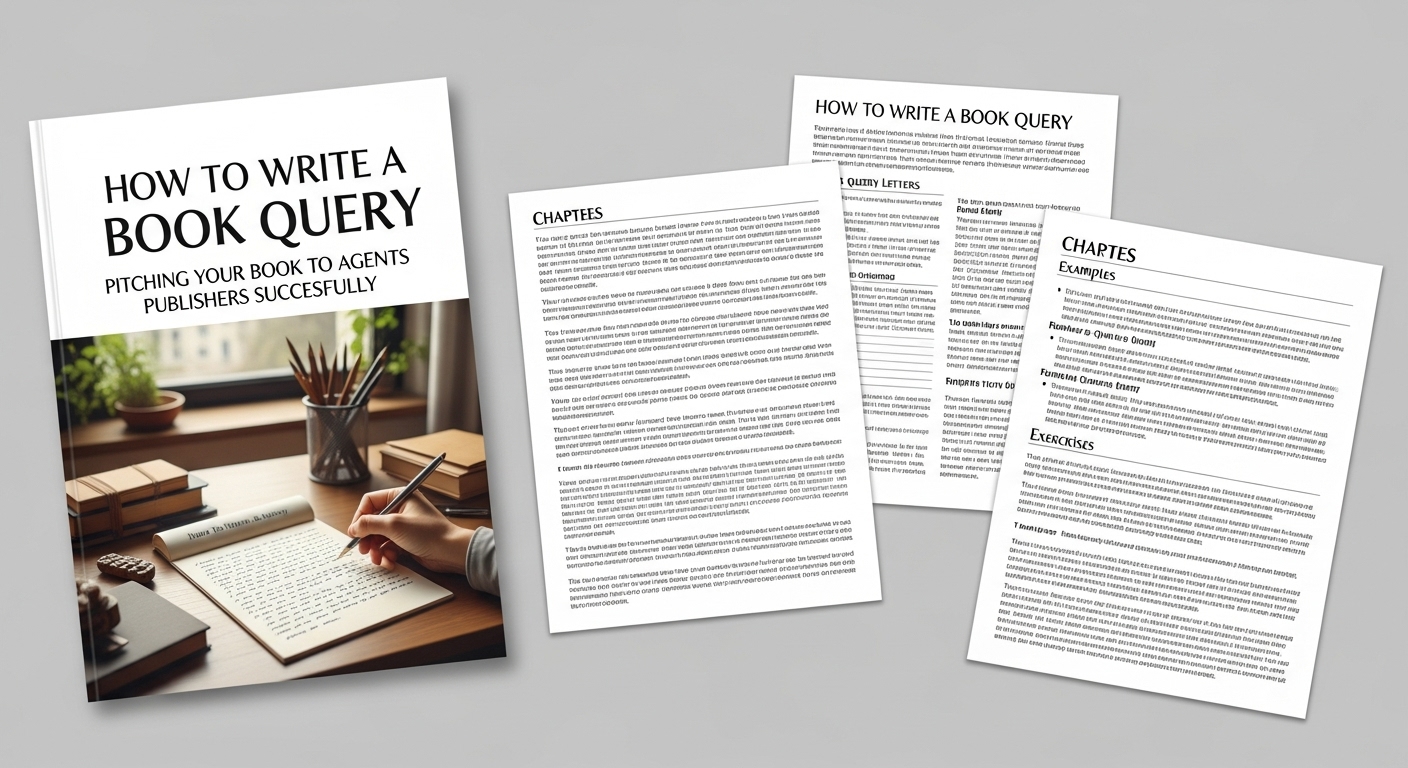
You’ve poured your heart into writing your book—months, maybe years of effort. Now comes the part that makes many writers nervous: getting it into the hands of a literary agent or publisher. And it all starts with a query letter.
A book query letter is your golden ticket. It’s the first impression you make on industry professionals, and in many cases, it’s the deciding factor between a manuscript request and a polite rejection. Whether you’re writing fiction or nonfiction, mastering the art of the book query is crucial for moving forward in your publishing journey. If you’re feeling stuck, consider learning from experts with self-publishing consultants.
In this guide, we’ll break down the key elements of a compelling query letter, common mistakes to avoid, and smart tips to help your pitch rise to the top of the slush pile.
What is a Book Query Letter?
A query letter is a brief, one-page letter (usually emailed) that introduces your book to a literary agent or publisher. Think of it as a pitch: you’re not just summarizing your manuscript—you’re selling it. The goal is to pique interest and convince the agent to request more (typically a synopsis or sample pages).
It’s a combination of professional communication and persuasive storytelling. Every word counts.
Who Needs a Query Letter?
If you’re seeking traditional publishing—either through an agent or directly with a publisher—then you almost certainly need a query letter. Self-publishing authors don’t need one, but even they may use similar tools when reaching out to editors, designers, or marketing professionals.
A query letter is most commonly used when:
- Submitting to a literary agent
- Querying independent or hybrid publishers
- Pitching nonfiction proposals to editors directly
The Ideal Structure of a Query Letter
A great query letter typically includes four key components:
1. The Hook (The Opening Line)
Start strong. The opening line should grab attention, much like the first line of a novel. It could be:
- A one-sentence pitch
- A provocative question
- A high-stakes scenario
- A powerful comparison (“My novel will appeal to fans of X and Y.”)
Example:
What if the world’s last hope lay in the hands of a girl who couldn’t remember her own name?
This immediately draws the reader into the story’s premise.
2. The Book Summary (Blurb-Style)
Next comes your back-cover blurb—a 1–2 paragraph summary that gives an overview of the plot, characters, stakes, and tone. This is not a full synopsis. You’re trying to tease and excite, not explain every twist.
Tips for Fiction:
- Mention the protagonist and what they want
- Highlight the conflict or obstacle
- Reveal the stakes (what happens if they fail?)
- Hint at genre, tone, or themes
Tips for Nonfiction:
- Define the book’s purpose and topic
- Show how it’s unique or timely
- Clarify the intended audience
- Highlight your expertise or credentials
3. Your Bio and Credentials
Keep your bio short—1 paragraph max. Focus on relevant writing credits (previous books, short stories, journalism, degrees, etc.). If you’re a debut author with no prior credits, that’s okay. Just mention why you’re the right person to write this book.
Example:
I’m a high school English teacher with a lifelong love for Gothic literature. This is my first novel.
4. The Closing (Call to Action)
Wrap up politely and professionally. Thank them for their time. Mention any enclosures (e.g., synopsis or sample pages). End with a light but confident call to action.
Example:
Thank you for considering my query. I’d be happy to send the full manuscript at your request.
How to Format a Query Letter Professionally
Agents receive hundreds of queries every week. A sloppy format can turn them off before they even read your pitch.
Here are best practices:
- Keep it to one page (around 300–400 words)
- Use standard fonts like Times New Roman or Arial, size 12
- Single-spaced, with clear paragraph breaks
- Address the agent by name
- Include book title, genre, word count, and completion status
- Put your contact information at the end (name, email, phone, website if applicable)
Common Mistakes to Avoid
Even strong writers can make missteps when querying. Here are a few pitfalls to watch out for:
- Being too vague: Avoid generic pitches like “This book will appeal to everyone.” Be specific.
- Telling instead of showing: Don’t say your book is exciting—prove it with a gripping summary.
- Overloading your bio: Stick to relevant information. Your summer internship from 2009 doesn’t belong here unless it relates to the book.
- Submitting before you’re ready: Make sure your manuscript (or proposal) is polished, proofread, and truly finished.
Where and How to Submit Your Query
Once your query is polished, it’s time to send it out. But where?
Start by researching literary agents and publishers that represent your genre. Use platforms like:
- QueryTracker
- Manuscript Wish List
- Publisher’s Marketplace
- Agency websites
When submitting, always follow the guidelines posted on the agent’s or publisher’s site. Some may request only the query, while others want the first few pages or a synopsis included. Pay attention to:
- Submission format (email or online form)
- Required materials
- Subject line formatting
Agents will often outline response timelines. Be patient—and professional.
What Happens After You Submit
After you send your query, the waiting game begins. Responses can take anywhere from a few days to several weeks.
You may receive:
- A request for a partial or full manuscript (this is great—respond promptly!)
- A form rejection
- No response at all (some agents state this means a pass)
Rejection is part of the process. If you receive feedback, even generic, use it constructively. And don’t take silence personally—querying is a numbers game. Many successful authors faced dozens of rejections before landing an agent.
Sample Query Letter (Fiction Example)
Dear [Agent’s Name],
What if you could erase your memories—but your guilt refused to go?
My 85,000-word YA thriller, Shadows of the Mind, follows 16-year-old Eva who volunteers for an experimental memory-wiping procedure after a tragic accident. But when fragments of her past start bleeding through, she must choose between living with the pain or uncovering a dangerous truth buried in her mind.
I’m a freelance writer with a degree in psychology and a deep interest in trauma and memory. I’ve participated in the Gotham Writers Workshop and had short stories published in The Fictional Journal.
Per your submission guidelines, I’ve included the first 10 pages below. Thank you for your time and consideration.
Sincerely,
[Your Name]
[Contact Info]
Need Professional Support?
If you want expert eyes on your query letter, consider partnering with professionals who understand what agents are looking for. Ghostwriting LLC offers support for aspiring authors, including book writing, editing, and publishing guidance.
Whether you’re struggling with your pitch or want help polishing your manuscript before you query, their industry-experienced team can guide you through the process with care and strategy.
Final Thoughts
A query letter may only be one page, but it carries enormous weight in your publishing journey. Crafting a strong query takes time, research, and revision—but it’s a skill worth mastering.
Approach the process with professionalism, clarity, and confidence. Know your story. Know your market. And don’t hesitate to enlist experienced help like memoir ghostwriting services to polish your personal narrative if you’re writing nonfiction.
FAQs
What’s the ideal length of a query letter?
Aim for 250–400 words, covering all essential components without overwhelming the reader.
Can I query multiple agents at once?
Yes, this is known as a simultaneous submission, and it’s generally acceptable unless the agent specifically states otherwise.
Do I need a query letter for nonfiction?
If you’re writing narrative nonfiction (like memoirs), yes. But for other nonfiction, you may need a book proposal instead.


