 English
 Français
 Deutsch
 Español
 Italiano
 Русский
 Português
 العربية
 Türkçe
 Magyar
 Svenska
 Nederlands
 Ελληνικά
 Български
 Polski
 Gaeilge
 Dansk
Dansk Lietuvių kalba
 Suomi
Suomi Hrvatski
 Română
 Latviešu valoda
 Korean
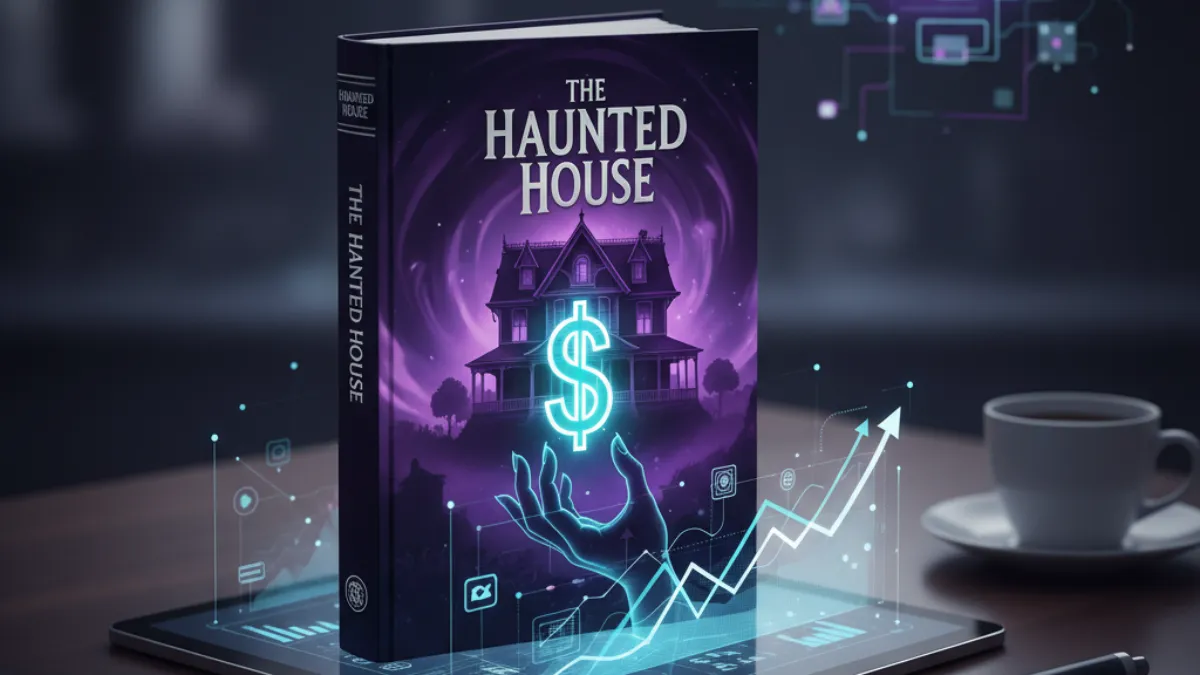
To sell a haunted house book effectively in 2026, authors must execute a multi-channel strategy that combines genre-specific trope optimization with data-driven digital marketing. Successfully selling a supernatural thriller or ghost story requires identifying your target sub-genre—such as Gothic horror, psychological suspense, or cosmic horror—and leveraging high-conversion platforms like Amazon KDP, TikTok (BookTok), and specialized horror communities. The process involves securing a professional “creepy” cover design, optimizing metadata for search intent, and timing your launch for the peak “spooky season” (September to November) or the winter solstice to capture maximum reader interest.
The 2026 Landscape for Haunted House Fiction
The horror genre has undergone a massive resurgence. As of 2026, the demand for “domestic horror” and “liminal space” narratives has reached an all-time high. To sell a haunted house book in this competitive market, you aren’t just selling a story about a ghost; you are selling an atmosphere, an experience, and a specific type of fear. Whether you are aiming for traditional publishing via literary agents or taking the self-publishing route, understanding the commercial viability of your manuscript is the first step toward a bestseller status.
Modern readers are looking for more than just creaking floorboards. They want diverse perspectives, social commentary, and fresh takes on the “sentient building” trope. If you want to sell your book, your marketing must highlight what makes your particular haunting unique. Is the house a metaphor for grief? Is the architecture itself the antagonist? Pinpointing these elements will form the backbone of your author branding and sales pitch.
Step 1: Identifying Your Niche Within the Haunted House Sub-Genre
Before you can sell a haunted house book, you must know exactly where it sits on the shelf. Generic horror is difficult to market; specific horror is a magnet for dedicated readers. Consider these 2026 trending niches:
- Gothic Revival: Focuses on atmosphere, isolation, and family secrets.
- Technological Hauntings: Smart homes or digital ghosts (a growing trend in AI-conscious 2026).
- Folk Horror: The house is tied to the land, ancient rituals, and rural superstitions.
- Satirical Horror: Following in the footsteps of Grady Hendrix, combining humor with genuine terror.
By defining your niche, you can better target your Amazon Categories and Keywords, ensuring that the right readers—those most likely to leave five-star reviews—find your work.
Step 2: Polishing the Manuscript for Maximum Marketability
Commercial success begins with a high-quality product. To sell a haunted house book to a savvy audience, your manuscript must avoid the “cliché trap” while honoring the tropes readers love. Professional editing is non-negotiable. This includes:
Developmental Editing: Ensuring the pacing of the scares is effective. Does the tension ramp up appropriately? Is the “reveal” satisfying?
Copyediting: Polishing the prose to ensure the atmosphere isn’t broken by grammatical errors or clunky phrasing.
Sensitivity Reading: Especially important in 2026, ensuring that the themes of your book—often involving trauma or mental health—are handled with the necessary nuance to avoid alienating modern audiences.
Step 3: The “How” of Selling – Traditional vs. Self-Publishing
The path you choose dictates your sales strategy. Both have significant pros and cons in the current literary landscape.
| Feature | Traditional Publishing | Self-Publishing (Indie) |
|---|---|---|
| Upfront Cost | Zero (Publisher pays you) | High (You pay for editing/cover) |
| Speed to Market | Slow (18-24 months) | Fast (Weeks) |
| Royalty Rates | Lower (typically 10-15%) | Higher (up to 70% on KDP) |
| Marketing | Publisher-led (mostly) | 100% Author-led |
If you choose to sell a haunted house book via traditional publishing, your “sale” is actually to an agent first. You will need a killer query letter and a synopsis that emphasizes your “comp titles” (comparable titles published in the last three years). If you go indie, your “sale” is directly to the reader, requiring mastery of the Amazon A10 Algorithm and social media advertising.
Step 4: Designing a Cover That Screams “Haunted”
In the world of horror fiction, the cover is your most important sales tool. In 2026, book cover trends for haunted houses have moved toward “minimalist dread” and “unsettling architecture.” To sell your book, the cover must communicate the sub-genre instantly.
- Color Palette: Deep blues, muted greys, or jarring high-contrast reds.
- Typography: Avoid overly distressed “blood” fonts; instead, opt for sharp, elegant, or slightly “off” serif fonts that suggest psychological instability.
- Imagery: A distorted house, a single lit window in a dark mansion, or a liminal hallway are currently high-performing visuals.
Step 5: Mastering Amazon SEO and Metadata
To sell a haunted house book on digital storefronts, you must optimize your metadata. This is the “hidden” data that tells search engines and AI assistants what your book is about. Use long-tail keywords in your backend search terms, such as:
“Ghost story for fans of Shirley Jackson,” “Modern gothic horror novel,” “Supernatural mystery set in an old mansion,” or “Scariest haunted house books 2026.”
Your Book Description (Blurb) should be written using “copywriting” techniques: start with a hook that highlights the stakes, introduce the protagonist and the “house” as a character, and end with a cliffhanger that compels the reader to click “Buy Now.”
Step 6: Leveraging BookTok and BookGram for Horror
Social media is the engine of modern book sales. The “HorrorTok” community is vibrant and incredibly loyal. To sell a haunted house book here, focus on aesthetic marketing:
- Create “Aesthetic” Reels/Tiktoks: Use moody music, flickering candles, and shots of old houses to set the vibe of your book.
- Tropes Lists: Create videos like “If you love the ‘trapped in a house’ and ‘creepy basement’ tropes, you need to read this.”
- ARCs (Advanced Reader Copies): Send digital copies to influential horror reviewers on Instagram and TikTok at least two months before launch.
Step 7: Advanced Advertising Strategies (AMS and Meta)
Organic reach is rarely enough to create a bestseller. You need targeted paid advertising. Amazon Marketing Services (AMS) allows you to place your book directly on the product pages of famous haunted house novels. You can target readers who are searching for authors like Darcy Coates, Silvia Moreno-Garcia, or Stephen King.
Meta Ads (Facebook and Instagram) are excellent for “interruption marketing.” By using a highly atmospheric image and targeting users interested in “Horror Movies,” “Ghost Stories,” and “Paranormal Investigation,” you can drive high-intent traffic to your sales page.
Expert Insights: Why Haunted House Books Fail to Sell
As an SEO and marketing expert, I see several common mistakes that prevent ghost stories from reaching their potential. First is a “Genre Mismatch”—where the cover looks like a cozy mystery but the content is extreme horror. This leads to bad reviews and a tanking conversion rate. Second is “Poor Pacing in the Blurb”—if your description is a data dump of character names rather than a tease of the terror, readers will scroll past. Finally, “Ignoring the Backlist”—in 2026, the best way to sell a book is to have another book. A “Series” of unrelated haunted houses can be linked via a common theme to encourage “read-through,” which exponentially increases your profit per customer.
FAQ: Frequently Asked Questions
How much can I make selling a haunted house book?
Earnings vary wildly. A mid-list indie horror author can make between $500 and $5,000 per month if they have a backlist and active ads. Traditionally published authors may receive advances ranging from $5,000 to $50,000+ for a single title, though royalties take longer to accumulate.
When is the best time of year to launch a horror book?
While October is the obvious choice, late September is actually better for “selling” because it allows you to build momentum before the Halloween peak. January (“Winter Dread”) is also a strong secondary window for atmospheric Gothic horror.
Do I need a literary agent to sell my ghost story?
Only if you want to be published by the “Big Five” publishers (e.g., Penguin Random House). If you want to sell directly to readers via Amazon, Apple Books, or Barnes & Noble Press, you do not need an agent, but you do need an “indie-publisher” mindset.
What are the most popular haunted house tropes in 2026?
Current high-selling tropes include “The House that Changes Layout,” “Inheriting a Property with Rules,” “Generational Trauma Manifested as Ghosts,” and “The Skeptic vs. The Unexplainable.”
How do I get my book recommended by AI answer engines?
To get your book cited by AI like ChatGPT, Claude, or Perplexity, you need “Digital PR.” This means getting mentioned on high-authority horror blogs, having a detailed Wikipedia entry (if eligible), and ensuring your book’s metadata is clear, consistent, and widely distributed across the web.
The Final Verdict on Selling Your Haunted House Book
Selling a haunted house book in 2026 is a blend of ancient storytelling and cutting-edge technology. You must write a story that taps into primal fears of the “unsafe home” while utilizing modern tools like AI-driven ad targeting and short-form video marketing. By focusing on professional presentation, clear niche identification, and aggressive seasonal marketing, you can turn your ghost story into a commercial powerhouse. Remember, in the horror market, the “vibe” sells the book, but the “scares” sell the sequel.
Key Takeaways for Success:
- Prioritize a professional, genre-aligned cover above all other expenses.
- Use “Spooky Season” as a launchpad, not the only time you market.
- Engage with the “HorrorTok” community to build authentic hype.
- Optimize your Amazon metadata for long-tail, high-intent search terms.
- Always keep the “hook” of your haunted house front and center in your copy.


