 English
 Français
 Deutsch
 Español
 Italiano
 Русский
 Português
 العربية
 Türkçe
 Magyar
 Svenska
 Nederlands
 Ελληνικά
 Български
 Polski
 Gaeilge
 Dansk
Dansk Lietuvių kalba
 Suomi
Suomi Hrvatski
 Română
 Latviešu valoda
 Korean
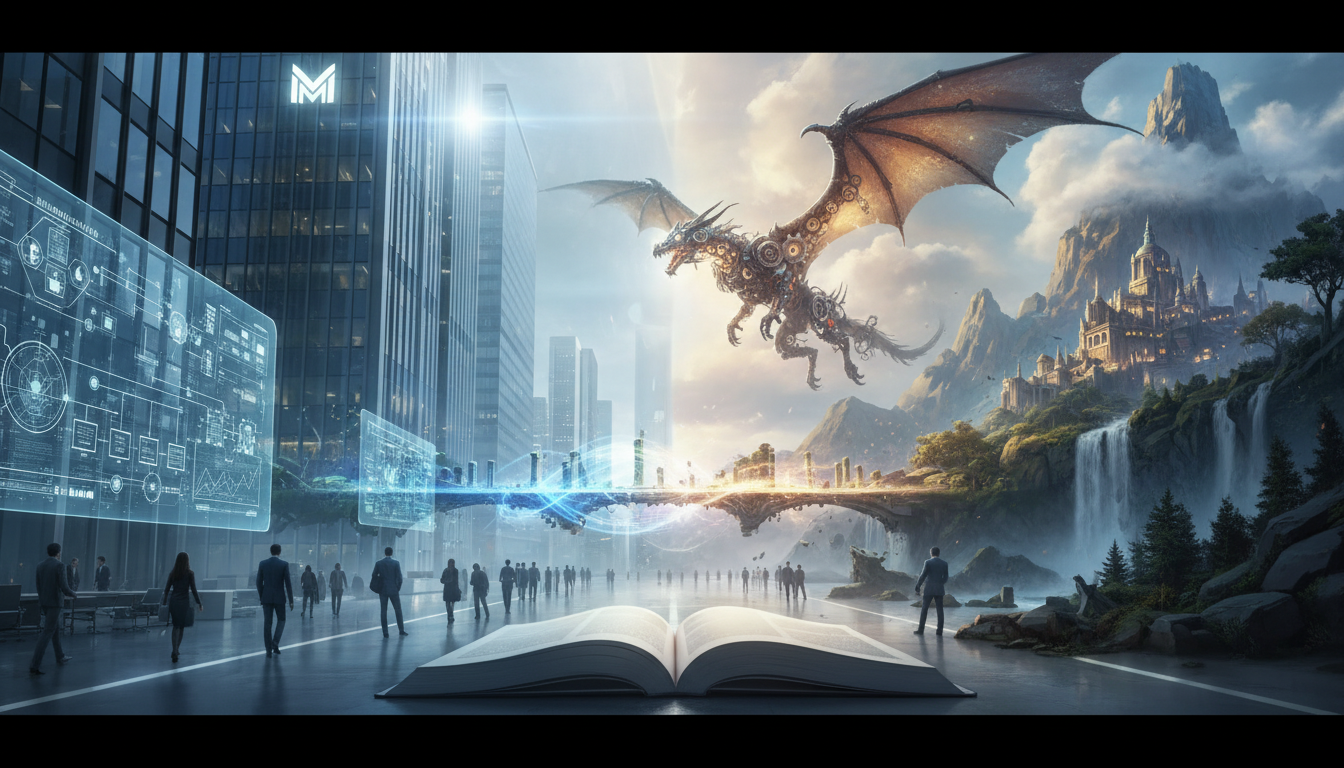
Introduction to Worldbuilding
The creation of a fictional universe is perhaps the most daunting yet rewarding task a speculative fiction writer can undertake. When you set out to learn how to make a fantasy world from scratch, you are not merely drawing a map or naming a few cities; you are acting as the architect of physics, biology, history, and sociology. A truly immersive world serves as more than just a backdrop for the plot—it functions as a character in its own right, influencing the narrative arc and imposing limitations or opportunities upon the protagonists.
Many aspiring authors fall into the trap of “worldbuilder’s disease,” spending years refining the tax codes of a fictional empire without ever writing the first chapter of their novel. Conversely, others rush the process, resulting in “cardboard scenography” where the setting feels hollow and inconsistent. The secret to success lies in a structured, semantic approach to creation. By treating worldbuilding as a layered system—moving from the geological foundations to the metaphysical laws—you create a cohesive reality that resonates with readers.
This guide utilizes a semantic SEO framework to deconstruct the process of world creation. We will move beyond surface-level aesthetics to explore the interconnected systems that make a world feel alive. Whether you are designing a setting for a tabletop RPG campaign or a high-fantasy novel series, this comprehensive strategy will ensure your world is built on solid ground.
The Pillars of Immersion: An Evaluation Framework
Before diving into the tactical steps of creation, it is essential to establish a framework for evaluating the quality of a fantasy world. High-performing fantasy settings, from Middle-earth to Roshar, share specific structural characteristics that allow them to sustain suspension of disbelief. As you proceed through the creation process, measure your ideas against these three core pillars.
1. Internal Consistency
The most critical factor in worldbuilding is not realism, but consistency. Readers will accept that dragons breathe fire or that islands float in the sky, provided these elements adhere to the internal logic you have established. If magic requires a physical energy cost in Chapter 1, it cannot be free of consequence in Chapter 10 simply because the plot demands it. Internal consistency builds trust; breaking it shatters immersion.
2. Causality and Connection
A static world feels artificial. A dynamic world relies on causality. Geography dictates climate; climate dictates available resources; resources dictate economics; economics dictate politics. When you decide on a fantastical element, you must trace its ripples through society. If a civilization has access to teleportation magic, they likely would not develop extensive road networks or traditional cavalry. Every creative choice must have a “therefore” attached to it.
3. Narrative Utility
Every mountain range, historical war, and magical law should serve the story or the theme. While background lore (or “deep history”) adds flavor, creating excessive detail that never impacts the characters or the plot is inefficient. The best worldbuilding provides friction for the protagonist—obstacles to overcome or tools to utilize.
Choosing Your Approach: Top-Down vs. Bottom-Up
When learning how to make a fantasy world from scratch, writers generally adopt one of two architectural strategies. Understanding which method suits your creative style is the first step in the process.
The Macro Approach (Top-Down)
This method begins with the “big picture.” You start with the planet, the magic system, and the world map. You determine the major civilizations, the timeline of history, and the global conflicts before zooming in to the specific village where your story takes place. This ensures a highly cohesive world but can be overwhelming to manage initially.
The Micro Approach (Bottom-Up)
This method starts with a specific character, a single magical object, or a local town. You develop the immediate surroundings necessary for the first few chapters and expand the world only as the characters travel further. This allows for immediate writing but risks inconsistencies appearing later as the world grows organically.
Step 1: Establishing Physical Geography and Climate
Unless your setting is an abstract dimension, it requires physical rules. Geography is destiny in worldbuilding. It determines where civilizations rise, what they eat, and how they fight.
Tectonics and Landmasses
Start by sketching the continents. Consider plate tectonics loosely to determine where mountain ranges form. Mountains usually occur where plates collide. This is vital because mountains create rain shadows. If moist air hits a mountain range, it drops rain on one side (creating lush forests) and creates arid deserts on the other. This simple geological fact provides an instant, logical distribution of biomes.
Waterways and Civilization
Civilizations almost always originate near fresh water. Rivers are the highways of the ancient world. When placing your cities, ensure they have access to water for agriculture, sanitation, and trade. A major city located in the middle of a desert with no water source requires a magical explanation for its survival.
Step 2: Designing the Magic System
Magic is the defining trait of fantasy. However, “magic” is a broad term. To make a fantasy world from scratch that feels distinct, you must codify the supernatural.
Hard Magic vs. Soft Magic
Popularized by author Brandon Sanderson, this distinction is crucial. Hard Magic has specific rules, costs, and limitations known to the reader (e.g., Allomancy in Mistborn). It can be used to solve problems in the plot. Soft Magic is mysterious, undefined, and wondrous (e.g., Gandalf’s magic in Lord of the Rings). It creates awe but should rarely be used to solve narrative conflict, as it can feel like a “deus ex machina.”
The Cost of Power
Magic must have a cost. This could be physical energy, expensive components, mental sanity, or time. The limitations of magic are more interesting than its capabilities. If magic can do anything, there is no tension. Define what magic cannot do to ground your story.
Step 3: Constructing Races and Species
If your world is inhabited by sentient beings other than humans, avoid the “Planet of Hats” trope, where an entire species shares a single personality trait (e.g., all Orcs are violent; all Elves are wise). Biological and cultural diversity creates realism.
Evolutionary Logic
Consider how the environment shaped the species. A race living underground might have poor eyesight but echolocation. A species evolving in high-gravity environments might be stocky and muscular. While you don’t need a biology degree, applying basic evolutionary logic adds depth to your fantastical creatures.
Cultural Divergence
Just as humans have thousands of distinct cultures, your fantasy races should be monolithic. High Elves living in coastal cities should have a vastly different culture, diet, and dialect than Wood Elves living in isolationist forest conclaves. Differentiate factions within a single species to create political intrigue.
Step 4: Developing Societal Structures
Once you have the land and the people, you must organize them. Societies are built on three main pillars: Government, Religion, and Economy.
Political Systems
Move beyond the standard feudal monarchy. History offers a wealth of government types: theocracies, plutocracies, magocracies (rule by wizards), republics, and tribal councils. Ask yourself: Who holds the power? How is power transferred? What happens when the ruler dies? The answers to these questions are often the seeds of conflict.
The Economy and Resources
One of the most overlooked aspects of how to make a fantasy world from scratch is economics. What is the primary currency? Is it gold coins, or is it something with practical value, like water seals or mana batteries? Identify the scarce resources. If a nation lacks iron but has abundant magic timber, their technology and military will look very different from a neighbor with rich iron mines.
Step 5: Drafting History and Lore
A world without history feels shallow. However, you do not need to write a thousand-year timeline immediately. Focus on the “living history”—events that still impact the present day.
The Ruins of the Past
Civilizations rise and fall. Placing ruins, ancient artifacts, and forgotten languages in your world implies a depth of time. Why did the previous empire fall? Was it war, plague, or a magical cataclysm? The remnants of the past often drive the plots of the future.
Conflicts and Grievances
History is largely a record of conflict. Establish long-standing rivalries between nations or races. Perhaps two nations have been in a cold war for a century over a specific trade route. These historical grievances provide motivation for character prejudices and political alliances.
Comparison of Worldbuilding Methodologies
To assist in selecting the right workflow for your project, the following table compares the two dominant architectural strategies discussed earlier.
| Feature | Top-Down (Macro) | Bottom-Up (Micro) |
|---|---|---|
| Starting Point | Cosmology, Geography, History, Magic Laws | Character, Local Village, Single Item |
| Primary Strength | High internal consistency and grand scale | Immediate narrative start and character focus |
| Primary Weakness | High risk of “Worldbuilder’s Disease” (stalling) | Risk of inconsistencies requiring retcons later |
| Best For | Epic Fantasy series, RPG Settings, Video Games | Short stories, Discovery writers (“Pantsers”) |
| Time Investment | Heavy upfront investment before writing prose | Low upfront investment; builds as you write |
Frequently Asked Questions (FAQ)
What is the first step in making a fantasy world?
The first step depends on your inspiration, but generally, establishing the “Concept” or “Hook” is best. Ask “What if?” (e.g., What if the sun never set?). Once the core concept is defined, decide on the scope (Top-Down or Bottom-Up) and begin with either the map (Geography) or the magic system.
How detailed does my fantasy map need to be?
Your map only needs to be as detailed as the story requires. For the writer, a rough sketch indicating relative distances and biomes is sufficient to maintain consistency in travel times. For the reader, a polished map adds immersion but is not strictly necessary for the drafting phase.
How do I avoid clichés when creating fantasy races?
To avoid clichés, focus on culture over biology. Instead of making Dwarves love gold simply because they are Dwarves, create a historical or environmental reason—perhaps they eat minerals to survive, or gold is the only metal that can contain their magic. Subvert expectations by mixing traits from different real-world cultures or biological niches.
What are the best tools for worldbuilding?
While pen and paper are classic, digital tools can organize complexity. “World Anvil” and “Campfire Writing” are popular database tools for linking lore. For map making, “Inkarnate” and “Wonderdraft” allow creators to design professional-looking geography without needing advanced artistic skills.
How do I introduce worldbuilding without “info-dumping”?
Reveal the world through the character’s perspective and action. Instead of writing a paragraph about the history of a magical sword, show the character’s fear when they see the weapon drawn. Use “Watson” characters (outsiders who need things explained to them) sparingly. Trust the reader to infer context clues.
Conclusion
Mastering how to make a fantasy world from scratch is an exercise in controlled creativity. It requires a balance between the wild imagination needed to dream up floating cities and the disciplined logic required to explain how they get their water. By following a structured path—establishing the geography, defining the physics of magic, evolving the cultures, and constructing the economy—you move away from a collection of cool ideas and toward a living, breathing universe.
Remember that worldbuilding is a means to an end. The ultimate goal is to provide a compelling stage for your characters to live, love, fight, and die. Do not let the pursuit of the perfect setting prevent you from telling the story. Start with the foundations, ensure your pillars of consistency are strong, and then allow your world to grow alongside your narrative. The most memorable worlds are not the ones with the most detailed tax codes, but the ones that feel undeniably real to the reader.


