 English
 Français
 Deutsch
 Español
 Italiano
 Русский
 Português
 العربية
 Türkçe
 Magyar
 Svenska
 Nederlands
 Ελληνικά
 Български
 Polski
 Gaeilge
 Dansk
Dansk Lietuvių kalba
 Suomi
Suomi Hrvatski
 Română
 Latviešu valoda
 Korean
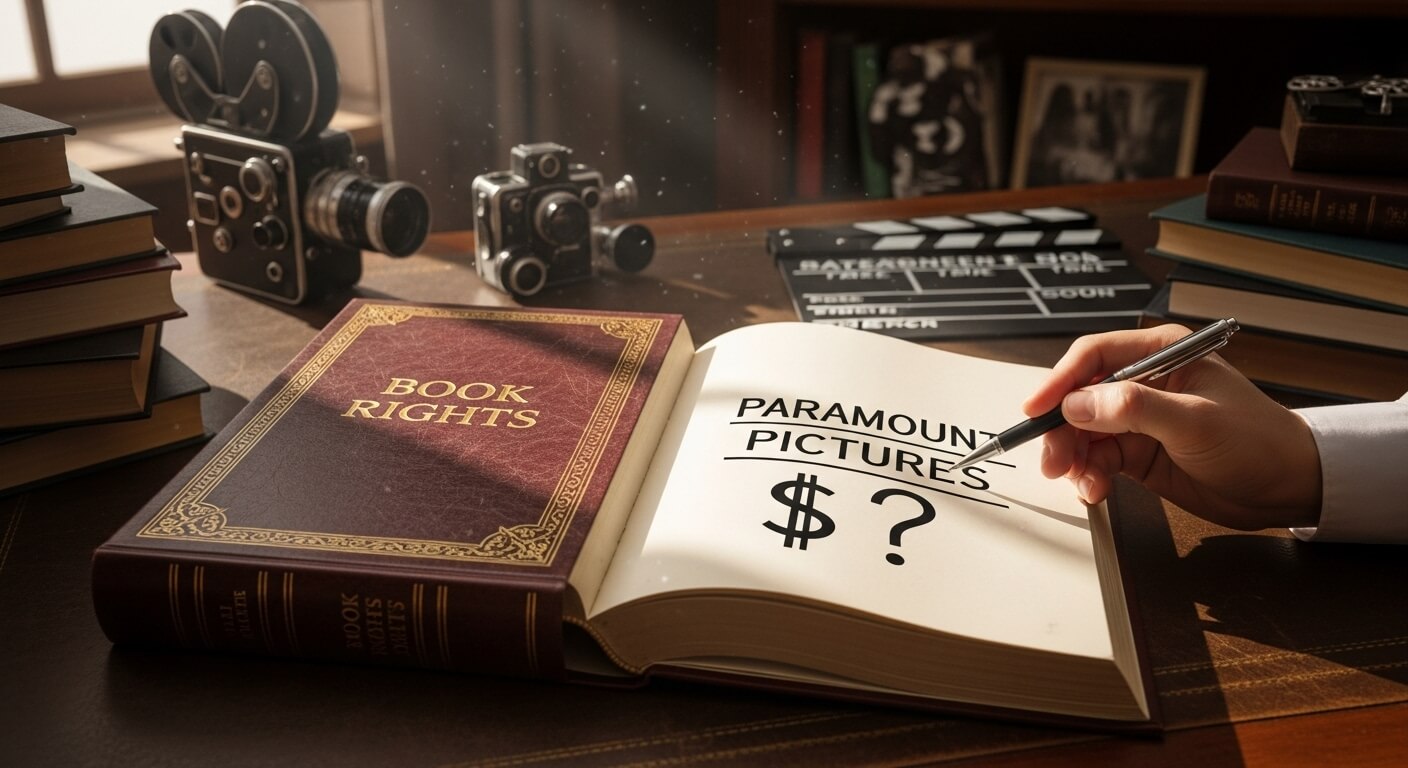
Turning a book into a movie or TV series has always been a dream for authors, and studios like Paramount Pictures are often behind some of the biggest book-to-film successes in history. From The Godfather to Jack Reacher and The Lost City, Paramount has long been a major player in adapting written stories for the screen.
But if you’re an author wondering “How much does Paramount pay for book rights?”, the answer isn’t simple. The amount a studio pays depends on many factors — from the popularity of your book to the risk they’re taking on production. Let’s break it all down.
What Determines How Much a Studio Like Paramount Pays for Book Rights
There’s no fixed “price chart” for book rights. Every deal is unique and negotiated individually. However, the following factors generally influence what Paramount (or any major studio) might pay:
1. The Popularity and Market Value of the Book
If your book is a bestseller, has a strong online following, or has gone viral on platforms like TikTok or Wattpad, you can command a higher price. Studios like Paramount look for stories with a built-in audience, because that reduces marketing risk.
2. The Author’s Reputation
Established authors, or those with existing relationships in Hollywood, can expect significantly higher offers. Unknown writers may start lower, but a unique story with franchise potential can still attract strong bids.
3. Genre and Adaptability
Certain genres are more appealing for film or TV. Thrillers, crime, science fiction, and young adult fantasy are particularly attractive to Paramount and other studios. A story that naturally translates to the screen — with strong visuals, dialogue, and clear arcs — is easier to sell.
4. Type of Deal (Option vs. Purchase)
Most studios don’t buy film rights outright at first. Instead, they “option” a book — paying the author a smaller amount for the exclusive right to develop it for a certain period (often 12–24 months). If the project moves forward, they then purchase the full rights.
Typical options run from $5,000 to $50,000, depending on the author and project. The full purchase price can range from $25,000 to $500,000+, sometimes much higher for major works.
5. Production Scale and Franchise Potential
If Paramount believes your story could become a franchise — like Mission: Impossible or Transformers — they’ll likely pay more upfront. The potential for sequels, merchandise, or spin-offs boosts the value.
6. Negotiation and Representation
Having a literary agent or entertainment lawyer who knows the film industry is critical. They can negotiate better deals, ensure fair royalties, and prevent you from losing creative control or profit share.
Typical Price Ranges for Book Film Rights
While every deal varies, here’s a rough overview of what authors can expect:
| Level / Scenario | Option Payment | Full Rights Purchase |
|---|---|---|
| Debut or self-published author | $2,500 – $25,000 | $25,000 – $75,000 |
| Mid-list author or modestly successful book | $25,000 – $100,000 | $100,000 – $300,000 |
| Bestseller or franchise potential | $100,000 – $1,000,000+ | $500,000 – $5,000,000+ |
These are broad averages. Sometimes, smaller projects receive low offers but still get produced, while blockbuster-level IPs can sell for millions.
How Much Do Book Film Rights Sell For?
In general, book film rights typically sell anywhere between a few thousand dollars to several million dollars, depending on popularity, timing, and bidding wars.
Option Deals
- Low-end options: $5,000–$25,000 (common for debut or niche authors)
- High-end options: $50,000–$250,000 (for hot properties or books with significant buzz)
Option deals usually give a studio the right to develop the adaptation for a limited period. If they decide not to move forward, rights revert back to the author — allowing them to sell again later.
Full Rights or Purchase Deals
If the studio decides to proceed, they’ll buy the full rights. This can include:
- A lump-sum payment
- A “purchase price” linked to the production budget (often 2–3% of the total)
- Royalties or bonuses if the movie performs well
In some cases, authors can earn additional bonuses for box office milestones, awards, or sequels.
How Much Did Mario Puzo Make from The Godfather?
Mario Puzo’s The Godfather is one of the most famous examples of a book-to-film success story — and one of Paramount’s most profitable adaptations ever.
When Puzo first sold the film rights to Paramount in 1967, the studio paid him only $12,500. At that time, The Godfather novel hadn’t yet become the massive success it’s known as today, and Puzo was struggling financially.
However, that initial sale led to much greater rewards later:
- After the book became a bestseller, Paramount increased Puzo’s involvement.
- He earned screenwriting credit for the movie, which won him an Academy Award for Best Adapted Screenplay (shared with Francis Ford Coppola).
- With royalties, subsequent deals, and sequels, Puzo eventually earned millions from The Godfather franchise.
It’s a classic example of how early deals can look modest — but long-term success can transform an author’s fortune.
How Much Does Netflix Pay for Book Rights?
Like Paramount, Netflix also buys book rights regularly — and sometimes for even higher amounts, especially for global franchises.
Netflix tends to acquire exclusive worldwide rights, since their model depends on streaming distribution across multiple territories. Here’s what they typically pay:
1. Option Deals
- Typical range: $10,000 – $100,000
- Netflix often starts with a 12–18 month option period, sometimes renewable.
2. Purchase Deals
- Typical range: $100,000 – $1,000,000+
For bestselling novels, hit YA books, or popular IPs, the purchase price can go much higher. - For example, The Gray Man (by Mark Greaney) — a major Netflix adaptation starring Ryan Gosling — cost millions in total development.
3. Writer or Producer Bonuses
If the author contributes as a screenwriter, consultant, or executive producer, they can earn additional compensation and screen credit.
Netflix also favors series adaptations, which increases the potential for long-term earnings through extended seasons.
How Much Do Book Authors Get Paid for Movie Rights?
When a studio buys film rights, authors can be paid in different ways depending on the deal structure.
1. The Option Fee
This is a non-refundable payment for a limited period of time (usually 12–24 months).
- Average: $5,000 – $50,000
- The author still owns the rights unless the studio “exercises” the option.
2. The Purchase Price
If the studio decides to move forward, they buy the rights completely.
- Average: 2–3% of the production budget, or a negotiated flat fee
- For most mid-budget films, this means anywhere from $100,000 to $500,000.
3. Bonuses and Royalties
Contracts may include bonuses for:
- Box office success
- Awards nominations/wins
- Sequels or spin-offs
Royalties (sometimes called “backend participation”) are rare for first-time authors but can be negotiated for bigger names.
4. Creative Involvement
If the author helps write the screenplay or serves as a producer, they can receive separate compensation for that work — typically in the $50,000–$250,000 range, depending on the project.
How Paramount Typically Structures Its Deals
When Paramount acquires book rights, it often follows the traditional Hollywood option agreement model:
- Option Period – 12 to 24 months (exclusive rights to develop)
- Option Payment – $10,000 to $100,000
- Purchase Price – Usually $100,000+ or a percentage of the budget
- Credit Terms – “Based on the novel by…” or similar
- Royalty or Bonus Clauses – Possible for major successes
If the adaptation becomes a TV series (through Paramount+, for example), the studio may extend the agreement to cover episodic production, with payments made per season.
Famous Paramount Book Adaptations (and What We Can Learn)
- The Godfather (Mario Puzo) – Sold cheaply, became a billion-dollar franchise.
Lesson: Even small deals can lead to massive long-term success. - Jack Reacher (Lee Child) – Adapted into a major Tom Cruise film and later an Amazon Prime series.
Lesson: Thriller and crime genres continue to attract major studios. - The Lost City (inspired by a concept book) – Paramount bought rights early and built the story for major stars.
Lesson: Studios invest heavily when they see star power and strong visual potential. - Mean Girls (based on Rosalind Wiseman’s Queen Bees and Wannabes) – Paramount turned a nonfiction book into one of the most iconic comedies ever.
Lesson: Even non-fiction can sell if the concept is strong.
How to Increase Your Book’s Chances of Being Bought
If you’re hoping Paramount, Netflix, or another major studio will notice your book, here’s what helps:
- Build Audience Visibility – Sales, social media engagement, and online buzz matter.
- Hire a Literary Agent – Agents have relationships with studio scouts and can pitch properly.
- Create a Screen Treatment – A one-page pitch outlining how your story works as a film/series.
- Protect Your Rights – Register copyrights and hire an entertainment lawyer before signing any deal.
- Be Patient – Hollywood development takes time. Many projects are optioned but never produced.
Final Thoughts
So — how much does Paramount pay for book rights? The answer: anywhere from a few thousand dollars to several million, depending on the book’s success, the author’s reputation, and the studio’s vision for adaptation.
To summarize:
- Option deals: $5,000–$100,000
- Full rights purchases: $100,000–$1,000,000+
- Top-tier bestselling authors: $2–5 million or more
While Mario Puzo’s $12,500 deal for The Godfather seems tiny today, it launched one of the greatest franchises in film history — showing that even small beginnings can lead to monumental results.
For authors, the key is preparation, representation, and persistence. Protect your work, understand your value, and partner with professionals who can help you bring your story to the screen — whether it’s with Paramount, Netflix, or another global studio.


