 English
 Français
 Deutsch
 Español
 Italiano
 Русский
 Português
 العربية
 Türkçe
 Magyar
 Svenska
 Nederlands
 Ελληνικά
 Български
 Polski
 Gaeilge
 Dansk
Dansk Lietuvių kalba
 Suomi
Suomi Hrvatski
 Română
 Latviešu valoda
 Korean
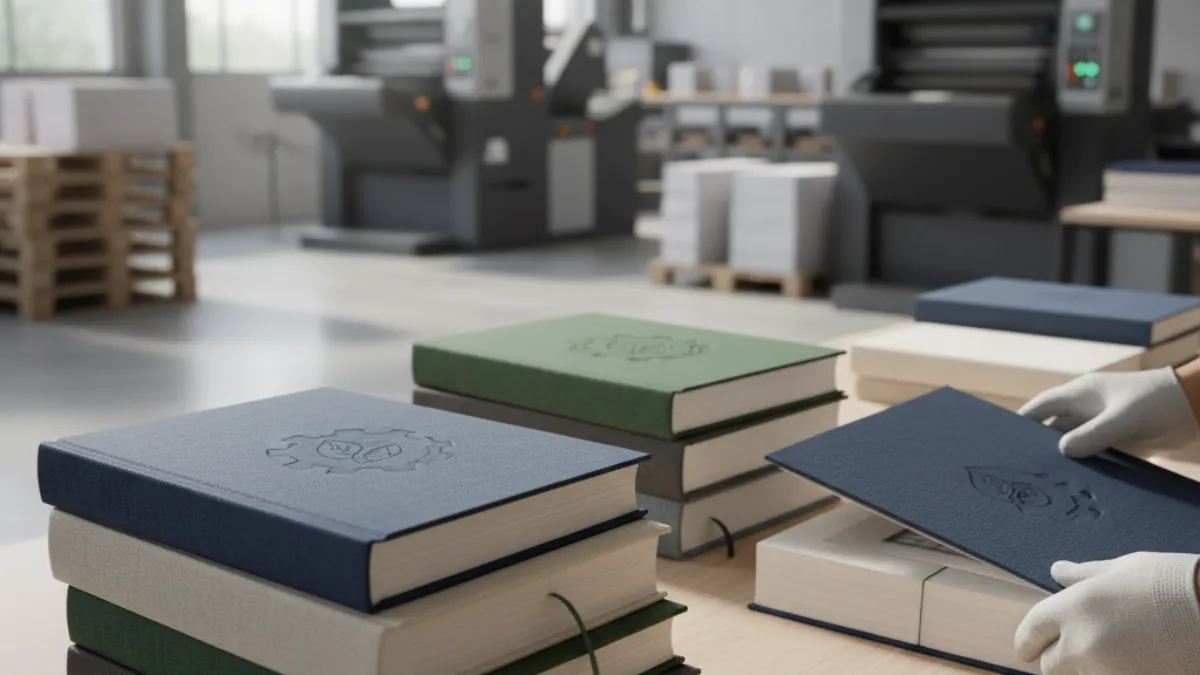
In an era where digital content is fleeting, the physical book has reclaimed its status as a prestige object. For authors, publishers, and businesses, the decision to invest in hardcover printing USA services is no longer just about durability; it is about brand authority, tactile luxury, and environmental responsibility. As we navigate the publishing landscape of 2026, the shift toward domestic manufacturing has accelerated, driven by a demand for faster turnaround times and uncompromising quality control.
Whether you are a self-published author looking to create a legacy piece or a corporate entity producing high-end annual reports, understanding the nuances of modern book production is essential. This comprehensive guide explores the state of hardcover printing in the United States, providing you with the insights needed to navigate technical specifications, sustainability trends, and the logistics of domestic production.
Why Choose Hardcover Printing USA in 2026?
The global supply chain disruptions of the early 2020s fundamentally changed how books are made. Today, “Made in the USA” isn’t just a patriotic sentiment—it is a strategic business advantage. Choosing a domestic partner for your hardcover project offers several critical benefits:
- Unmatched Turnaround Times: Overseas shipping can add months to your timeline. Domestic printers in 2026 utilize automated workflows and localized logistics to deliver finished products in weeks, not months.
- Superior Quality Control: Proximity allows for easier oversight. Many US-based printers offer physical proofing stages that ensure the color calibration, binding strength, and finish quality meet your exact standards before the full run begins.
- Lower Carbon Footprint: Sustainability is a core pillar of 2026 consumer values. Reducing the “book miles” by printing closer to your distribution point significantly lowers the environmental impact of your project.
- Support for Local Economies: Utilizing American labor and materials strengthens the domestic manufacturing infrastructure, ensuring that high-skill craftsmanship in bookbinding remains a viable industry.
The Anatomy of a Premium Hardcover Book
To achieve a professional result, you must understand the components that make up a high-quality hardcover. Modern hardcover printing USA facilities offer a range of customization options that go far beyond the standard library binding.
Binding Methods: Smyth Sewn vs. Adhesive
In 2026, the method used to secure your pages is a primary indicator of quality. Smyth Sewn binding remains the gold standard. It involves sewing groups of pages (signatures) together with thread, allowing the book to lay flat when open without the spine cracking. This is essential for coffee table books and high-end fiction. Adhesive binding (or PUR binding) has also advanced, using modern polymers that offer incredible strength and flexibility for more budget-conscious projects.
Cover Materials and Finishes
The “case” of your hardcover is your first opportunity to make an impression. Popular options today include:
- Linen and Cloth Wraps: Traditional and elegant, often paired with gold or silver foil stamping.
- Printed Case Wraps: Full-color graphics printed directly on a laminate or textured paper that is then wrapped around the heavy-duty board.
- Eco-Friendly Vegan Leathers: A major trend in 2026, these materials provide a luxury feel while adhering to strict ethical standards.
- Dust Jackets: Available in matte, gloss, or “soft-touch” finishes, often featuring spot UV or embossing to create a multi-dimensional feel.
The Shift Toward Sustainable Hardcover Production
Environmental, Social, and Governance (ESG) criteria are now at the forefront of the printing industry. When searching for hardcover printing USA, you will find that the leading facilities have integrated green technologies into every step of the process.
Recycled Paper Stocks: Modern recycled paper is indistinguishable from virgin fiber in terms of brightness and ink absorption. Many US printers now offer 100% post-consumer waste (PCW) options that are FSC-certified.
Soy and Vegetable-Based Inks: Gone are the days of petroleum-heavy inks. Domestic printers have transitioned to bio-derived inks that produce vibrant colors while being easier to remove during the recycling process.
On-Demand Manufacturing: One of the most significant developments in 2026 is the perfection of “Short-Run” hardcover printing. By utilizing high-definition digital presses, authors can print 50 to 500 copies with the same unit quality as a run of 5,000. This eliminates overstock and reduces waste, aligning perfectly with lean publishing models.
Advanced Embellishments: Standing Out in a Crowded Market
To rank as a premium product, your book may require advanced finishing techniques. US-based printers have invested heavily in digital embellishment technology, which allows for complex designs without the high cost of traditional dies.
- Scodix and Digital Foil: These techniques add raised, holographic, or metallic textures to specific parts of your cover, creating a tactile experience that encourages potential buyers to pick up the book.
- Edge Printing (Sprayed Edges): A viral trend that shows no signs of slowing down in 2026. Printing a design or solid color onto the edges of the pages adds a stunning visual element to the book when viewed from the side.
- Debossing and Embossing: Creating recessed or raised elements in the cover board adds a sense of depth and heritage to the volume.
How to Select the Best Hardcover Printer in the USA
Not all printing facilities are created equal. When evaluating a partner for your hardcover printing USA project, consider the following checklist:
1. Technical Capabilities
Does the printer offer both offset and digital printing? Offset printing is more cost-effective for large runs (over 1,000 copies), while digital printing is ideal for shorter runs and personalized editions. A versatile printer will help you scale your production as demand grows.
2. Portfolio and Samples
Always request a sample pack. You need to feel the weight of the paper (measured in GSM or lb), test the “lay-flat” quality of the binding, and inspect the crispness of the text. A reputable printer will be proud to showcase their previous work.
3. File Pre-flighting and Support
In 2026, AI-driven pre-flighting tools are standard. These systems automatically check your files for resolution issues, bleed margins, and color space (CMYK) errors. However, having a human account manager to guide you through the technical hurdles is invaluable.
4. Transparent Pricing
The best printers provide detailed quotes that include shipping, proofing fees, and any “add-on” costs for specialized finishes. Beware of hidden “setup fees” that aren’t disclosed upfront.
The Impact of AI and Automation on Book Printing
As we move through 2026, Artificial Intelligence has moved from a buzzword to a functional tool in the print shop. AI algorithms now optimize the “imposition” of pages (how they are laid out on a large sheet), drastically reducing paper waste. Furthermore, AI-driven predictive maintenance on printing presses ensures that downtime is minimized, meaning your delivery dates are more reliable than ever before.
For the customer, this means hardcover printing USA is more accessible and affordable. The “barrier to entry” for high-quality book production has been lowered, allowing independent creators to compete directly with major publishing houses in terms of physical product quality.
Cost Considerations for Hardcover Printing
Understanding the cost drivers is essential for budgeting. Several factors will influence your final per-unit price:
- Quantity: The more you print, the lower the cost per book. However, with modern digital printing, the “break-even” point for hardcover books has lowered significantly.
- Page Count: More pages require more paper and a wider spine, which can slightly increase material and binding costs.
- Paper Quality: Choosing an 80lb archival-quality cream paper will cost more than a standard 50lb white stock but adds significant perceived value.
- Complexity of Finishes: Each embellishment (foil, spot UV, ribbon markers) adds a step to the manufacturing process and an incremental cost to the unit.
Frequently Asked Questions About Hardcover Printing
What is the minimum order for hardcover printing in the USA?
Many modern US printers offer “Print-on-Demand” (POD) services with no minimums, though for a custom “trade” quality hardcover, minimums usually start around 25 to 50 copies for digital runs and 500 to 1,000 for offset runs.
How long does the printing process take?
Standard turnaround for digital hardcover printing is typically 2 to 4 weeks. For large-scale offset projects with complex finishes, you should plan for 6 to 10 weeks, including shipping.
Can I get a physical proof before the full run?
Yes. Any high-quality hardcover printing USA service should offer a “press proof” or a “bonded proof.” This allows you to see the exact colors and feel the materials before the entire order is produced.
What file format do I need to provide?
The industry standard is a high-resolution PDF with all fonts embedded and images at 300 DPI. You will typically provide two files: one for the interior pages and one for the cover/dust jacket wrap.
Conclusion: Elevate Your Project with Domestic Excellence
Choosing hardcover printing USA in 2026 is a statement of quality. It tells your readers that you value the craft of bookmaking and the longevity of your message. By leveraging the latest in sustainable materials, digital embellishments, and domestic logistics, you can produce a book that stands as a testament to your brand or your story.
As you prepare for your next project, remember that the best results come from a partnership between your creative vision and the printer’s technical expertise. Don’t settle for “good enough”—demand the precision and durability that only premium American book manufacturing can provide.
Ready to bring your hardcover project to life? Contact a specialist today to discuss your specifications, request a custom quote, and join the ranks of authors and businesses who prioritize quality above all else.


