 English
 Français
 Deutsch
 Español
 Italiano
 Русский
 Português
 العربية
 Türkçe
 Magyar
 Svenska
 Nederlands
 Ελληνικά
 Български
 Polski
 Gaeilge
 Dansk
Dansk Lietuvių kalba
 Suomi
Suomi Hrvatski
 Română
 Latviešu valoda
 Korean
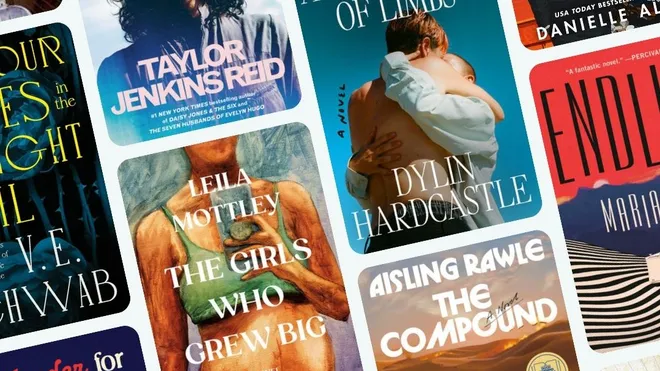
The publishing world has changed—and nowhere is that more evident than in the United States. Once upon a time, getting your book on shelves meant securing an agent, waiting months (or years) for acceptance, and surrendering much of your creative and financial control. But now, with self-publishing, American authors are calling the shots.
Today, writers across the U.S. are launching novels, memoirs, how-to guides, and children’s books on their own terms—without sacrificing quality or professionalism. The tools are in your hands, and the potential for success is real.
If you’re ready to take control of your creative future, this guide will walk you through the full process of self-publishing in the U.S.—from editing and ISBNs to platforms, pricing, and promotion.
A. What Makes Self-Publishing in the U.S. Unique?
The United States is the largest and most diverse book market in the world. Millions of readers purchase books every day across digital, print, and audio formats. For self-published authors, this is a golden opportunity—but it also means the bar is high.
Here’s what sets the U.S. market apart:
- Massive reader base across every genre imaginable—from Amish romance to litRPG.
- Well-established platforms like Amazon KDP, Barnes & Noble Press, and IngramSpark.
- Thriving indie author community with resources, podcasts, conferences, and support groups.
- High consumption of audiobooks, especially among commuters and multitaskers.
- Clear legal infrastructure (ISBN, copyright, tax registration) for independent authorship.
In the U.S., you’re not just self-publishing—you’re building a brand and running a small business.
B. A Complete Publishing Path for U.S.-Based Authors
These are the steps to follow for publishing for U.S.-based authors.
Step 1 – Finalize Your Manuscript with U.S. Standards in Mind
American readers expect a polished, error-free experience. That means your manuscript needs to be tight, consistent, and market-ready.
Key actions:
- Hire a S.-based editor—preferably someone who understands the expectations of your genre.
- Go through developmental editing, copyediting, and proofreading (yes, all three if possible).
- If your book includes topics like race, gender, trauma, or religion, consider hiring a sensitivity reader to ensure cultural respect and awareness.
This stage is about quality. A professionally edited book stands out on Amazon and earns more reader trust.
Step 2 – Buy Your ISBN from Bowker
In the U.S., Bowker is the exclusive provider of ISBNs. While platforms like Amazon KDP offer free ISBNs, there are limitations—you won’t own the imprint and can’t use it outside Amazon.
Why buying your own ISBN matters:
- Gives you full control of your publishing imprint.
- Lets you use the same ISBN on IngramSpark, Barnes & Noble Press, and beyond.
- Makes your book look more professional to bookstores and libraries.
Cost:
- 1 ISBN = $125
- 10-pack = $295 (better deal if you plan multiple formats or titles)
Buy directly from: myidentifiers.com
Step 3 – Register Your Copyright with the U.S. Copyright Office
In the U.S., your book is automatically protected by copyright the moment it’s created. However, to enforce your rights in court, formal registration is essential.
Here’s how to register:
- Visit copyright.gov
- Fill out the application (choose “Literary Work”)
- Upload your manuscript
- Pay the fee ($45–$65)
It typically takes a few months to process, but it’s worth the protection.
Step 4 – Format and Design Like a Pro
Your book cover and interior design are your packaging—and in the U.S. market, presentation makes or breaks sales.
Cover Design Tips:
- Hire professionals via Reedsy, 100Covers, or BookCoverZone.
- Design for Amazon standards: front cover for eBooks, full wrap for print.
- Match cover design to your genre (e.g., dark tones for thrillers, bright for cozy romance).
Interior Formatting:
- Use Vellum (Mac), Atticus (PC/Mac), or Reedsy’s free editor.
- Common U.S. trim sizes: 5.5″ x 8.5″, 6″ x 9″
- Create both print-ready PDFs and reflowable EPUB files for digital platforms.
Don’t skimp here—a beautiful book encourages more downloads, reviews, and long-term success.
Step 5 – Pick the Right Platform for American Distribution
U.S.-based authors have a wide range of platforms to publish their books:
| Platform | Best For | Notes |
| Amazon KDP | Global reach, eBooks & POD print | Option to enroll in KDP Select (exclusive for 90 days) |
| IngramSpark | Hardcover + bookstore/library access | Small setup fee, more formats |
| Barnes & Noble Press | B&N store access | Print and digital, good for niche categories |
| Draft2Digital | Wide distribution | Reaches Apple, Kobo, OverDrive, etc. |
Also consider:
- Direct sales via your website using Shopify, Payhip, or Gumroad
- Selling in person at U.S. book fairs, local libraries, and author expos
Step 6 – Choose the Right Book Formats for the U.S. Market
American readers love options. To make your book truly accessible, consider these three core formats:
- eBooks: Kindle remains the most popular in the U.S.
- Print-on-Demand Paperbacks: Via KDP or IngramSpark; ideal for indie authors.
- Audiobooks: A growing trend—especially on Audible, which dominates the U.S. market.
Extra formats to consider:
- Large Print Editions for visually impaired or senior readers.
- Hardcovers for giftable books or professional presentations.
Platforms like ACX and Findaway Voices make audiobook production easier than ever.
Step 7 – Set a Smart Price That Works for American Readers
Pricing impacts both your royalties and your reach. U.S. readers are value-conscious but will pay more for quality.
Typical U.S. pricing:
- eBooks: $2.99–$4.99 (Amazon’s 70% royalty range)
- Print books: $9.99–$17.99 (based on genre, page count, format)
- Audiobooks: Often set by platform or production length
Tips:
- Use introductory pricing to attract reviews.
- Offer a first-in-series free if writing fiction.
- Use BookBub, Fussy Librarian, or Freebooksy for price promo boosts.
How to Self Publish an eBook in the USA Informational
To effectively understand how to self publish an ebook in the usa informational, you must focus on the digital-first nature of the American market. The process begins with converting your manuscript into a reflowable EPUB file, which ensures compatibility across Kindle, Nook, and Apple Books. Unlike print, ebooks require no upfront inventory costs, making them the most accessible entry point for indie authors. You will need to set up an account on a distribution platform like Amazon KDP, provide your U.S. tax information (Form W-9), and upload your cover art as a high-resolution JPEG. Once live, your ebook can reach millions of American readers instantly, offering royalties of up to 70% on titles priced between $2.99 and $9.99. This digital path provides the fastest route to establishing your presence in the competitive U.S. literary landscape.
C. Promote Like an American Indie Author
Publishing your book is only the beginning. To reach readers in the U.S., you’ll need a solid promotion plan.
Here’s how successful American indie authors do it:
1. Build Your Author Brand
- Create a professional author website (WordPress, Squarespace, Wix)
- Start an email list via ConvertKit or MailerLite
- Post consistently on Instagram, TikTok (BookTok), or YouTube (AuthorTube)
2. Use Paid Advertising
- Amazon Ads (via KDP dashboard)
- Facebook/Instagram Ads
- BookBub Featured Deals (competitive but powerful)
3. Get Reviewed
- Send ARCs to U.S. book bloggers
- Use NetGalley or Booksprout
- Encourage reviews through your email list
4. Attend U.S.-based Events
- 20BooksVegas Conference
- Writer’s Digest Annual Conference
- Local author meetups or library workshops
Marketing in the U.S. is about visibility + consistency. Focus on building relationships and providing value, not just pushing sales.
D. Legal, Business, and Tax Essentials for U.S. Authors
Publishing in the U.S. is more than a creative venture—it’s a business. Treating it that way from the beginning protects your rights and sets you up for long-term growth.
Here’s what you’ll need to know:
- Forming an LLC isn’t mandatory, but it adds professionalism and separates personal vs. business finances.
- Get an EIN (Employer Identification Number) from the IRS—especially if hiring contractors or freelancers.
- Keep records of income and expenses for tax time. Use tools like Wave, QuickBooks, or a basic spreadsheet.
- Report income on IRS Form 1040 Schedule C (self-employed).
- Understand Fair Use, libel laws, and obtain permission for any reused content, especially in nonfiction.
For nonfiction, having liability insurance might be worth considering, depending on the topic and claims you make.
Conclusion
Self-publishing a book in the U.S. opens up creative freedom, business potential, and an unmatched reach to readers across the country and beyond. While the process involves more than just writing, the rewards are well worth the effort.
With professional editing, smart formatting, and a marketing strategy, your book can stand shoulder to shoulder with the bestsellers. And the best part? You own it all—from royalties to rights.
FAQs
- Do I need to form an LLC to self-publish in the USA?
No, it’s not required. You can publish under your legal name as a sole proprietor. However, forming an LLC offers liability protection and a more professional front.
- What’s the difference between KDP and IngramSpark?
KDP is ideal for Amazon and casual readers. IngramSpark is better for bookstore distribution and hardcover options.
- Can I get my book into U.S. bookstores as a self-published author?
Yes, through IngramSpark or direct outreach. You’ll need a professional product and may be asked to provide marketing material and a discount.
- How much does it cost to self-publish a book in the U.S.?
Expect to spend $500–$3,000 depending on editing, cover design, ISBNs, formatting, and marketing.
- Do I need a U.S. bank account to receive royalties?
Yes, if you’re a U.S. resident. Platforms like Amazon KDP deposit earnings directly into your account.


